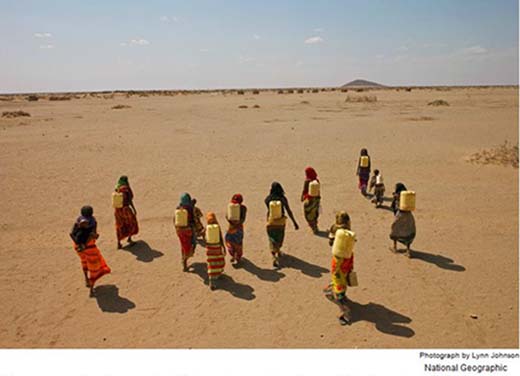
The search for clean water in Africa often exacts a heavy toll on the lives of women and girls who are responsible for gathering it on a daily basis. In many African countries it takes up to six hours per day to collect sufficient quantities of water to serve a single family, and much of…
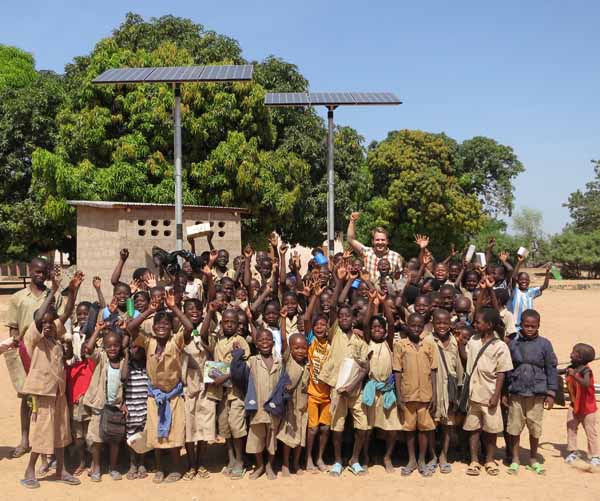
Powering Africa: The Hope and The Promise
“Access to electricity is fundamental to opportunity in this age. It’s the light that children study by; the energy that allows an idea to be transformed into a real business. It’s the lifeline for families to meet their most basic needs. And it’s the connection that’s needed to plug Africa into the grid of the…
Energy is a Human Right
It’s time to declare energy to be a human right. Without energy, there is no way to light our homes, pump water, store vaccines, run computers, operate machinery, or communicate with the rest of the world. Energy is a cornerstone of modern civilization, yet 1.5 billion people still have no access to electricity. This is unacceptable….
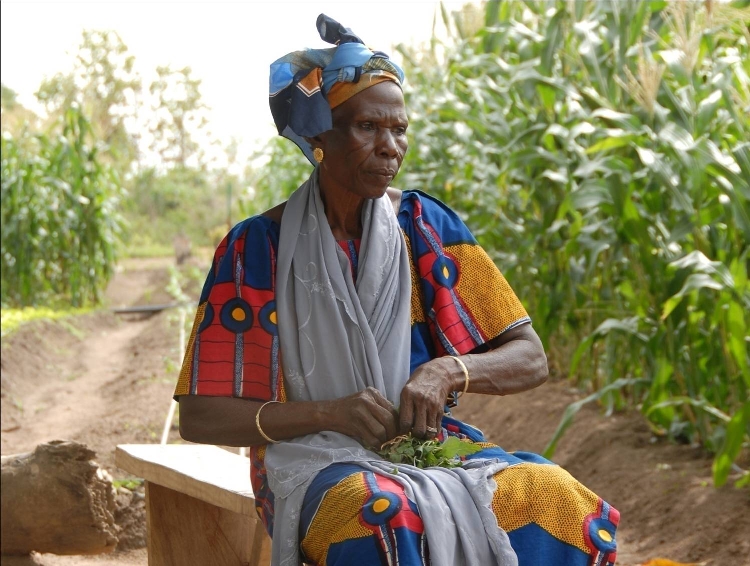
Madame La Presidente: A Journey Out of Africa
It is said that a journey of a thousand miles begins with the first step. In some cases, though, it may also begin with a visit to the district capital to obtain a copy of one’s birth certificate. As mentioned in a previous post, access to modern energy—while omitted from the initial group of Millennium…
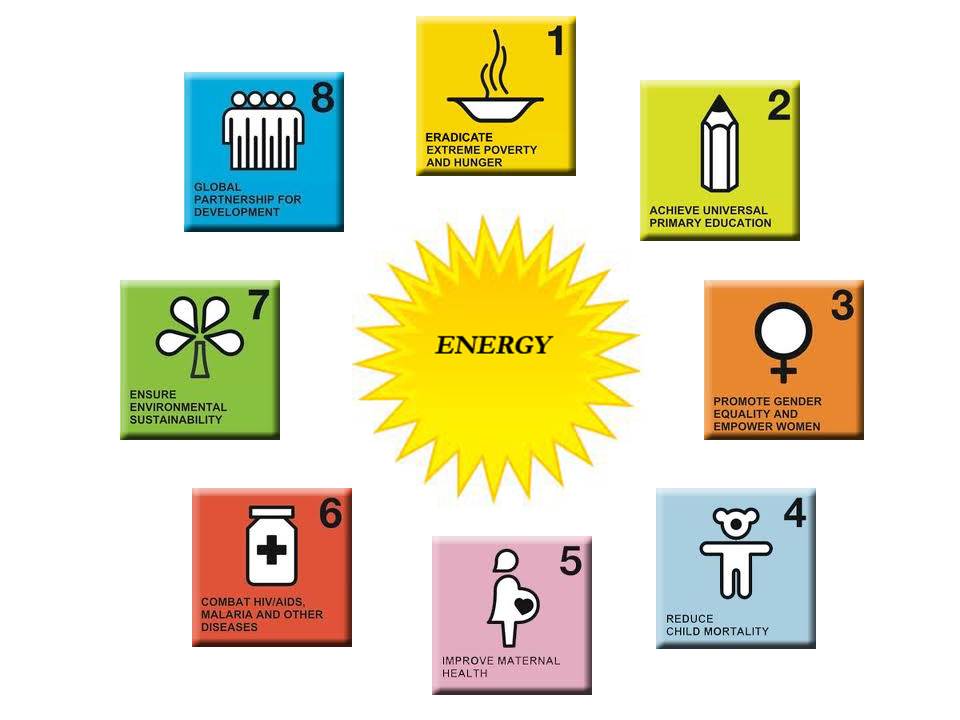
Universal Energy Access: Powering the MDGs
In September 2000, world leaders came together at the United Nations Headquarters in New York to adopt the United Nations Millennium Declaration, committing their nations to a new global partnership to reduce extreme poverty and establishing a series of time-bound targets—with a deadline of 2015—that have become known as the Millennium Development Goals, or “MDGs” for…
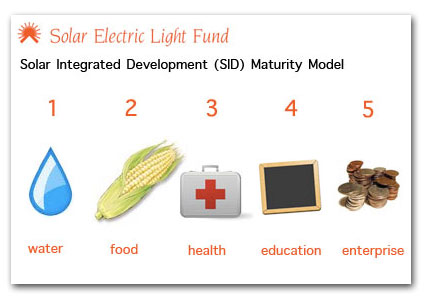
Solar Integrated Development: SELF’s Maturity Model for Total Village Empowerment
For the past 20 years, the Solar Electric Light Fund has worked to deliver solar power to rural villages in Africa, Asia, and Latin America by facilitating a new generation of “whole village” solar electrification projects. In many of the countries in which SELF works, there is no other organization undertaking a similar, independent role in providing…
Hold On [4 Haiti]: Steel Pulse, Partners in Health, SELF and Haiti
To support the long-term rebuilding of Haiti, Grammy award-winning Reggae band Steel Pulse has donated 100% of the proceeds from sales of their new single Hold On [4 Haiti] to the Solar Electric Light Fund and our “Solar Health Care Partnership” with Partners In Health. You can learn more about our project and hear from Paul Farmer below: The money will be used to solar…
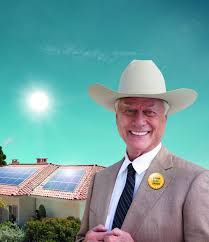
“Shine, Baby, Shine”: Larry Hagman, SolarWorld, SELF, PIH, and Haiti
There’s a sweet irony watching long-time SELF board member Larry Hagman turn the world-renowned oil tycoon J.R. Ewing into a conscientious solar executive while retaining his famously wicked laugh. “Shine, baby, shine,” chuckles a fiendish Hagman as he coins the new energy mantra for our time in a series of advertisements for SolarWorld. He’s playing off “Drill, baby, drill” of course,…
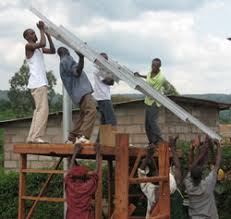
SELF and PIH: A Solar Healthcare Partnership
A lack of power was responsible for a lot of deaths in the first few days [after the earthquake],” writes Partners In Health (PIH) Executive Director Ophelia Dahl in a recent message. She explains: With electricity knocked out around Haiti, surgeons were forced to operate on patients using flashlights. Laboratory and diagnostic equipment were rendered useless. Electric water pumps were…
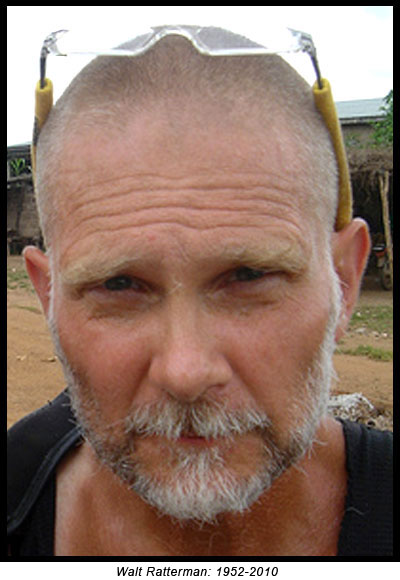
In Memoriam: Walt Ratterman, Humanitarian and Solar Champion
Walt Ratterman—one of the most dedicated and intrepid solar pioneers that I have ever had the honor of knowing—was tragically killed last month when the earthquake that struck Haiti on January 12th leveled the Hotel Montana in which he was staying. The world has lost a truly great man, solar professional, and global humanitarian. I had heard…
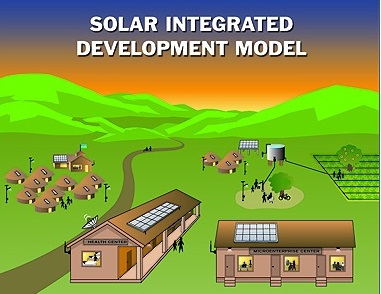
Stanford University Assessment Validates SELF’s Solar Integrated Development Model
Solar-powered drip irrigation systems significantly enhance household incomes and nutritional intake of villagers in arid sub-Saharan Africa, according to a new Stanford University study published in the Proceedings of the National Academy of Sciences (PNAS). The study found that solar-powered pumps installed in remote villages in the West African nation of Benin provide a cost-effective way of delivering much-needed irrigation…
How the Renewable Energy Community Can Help Haiti
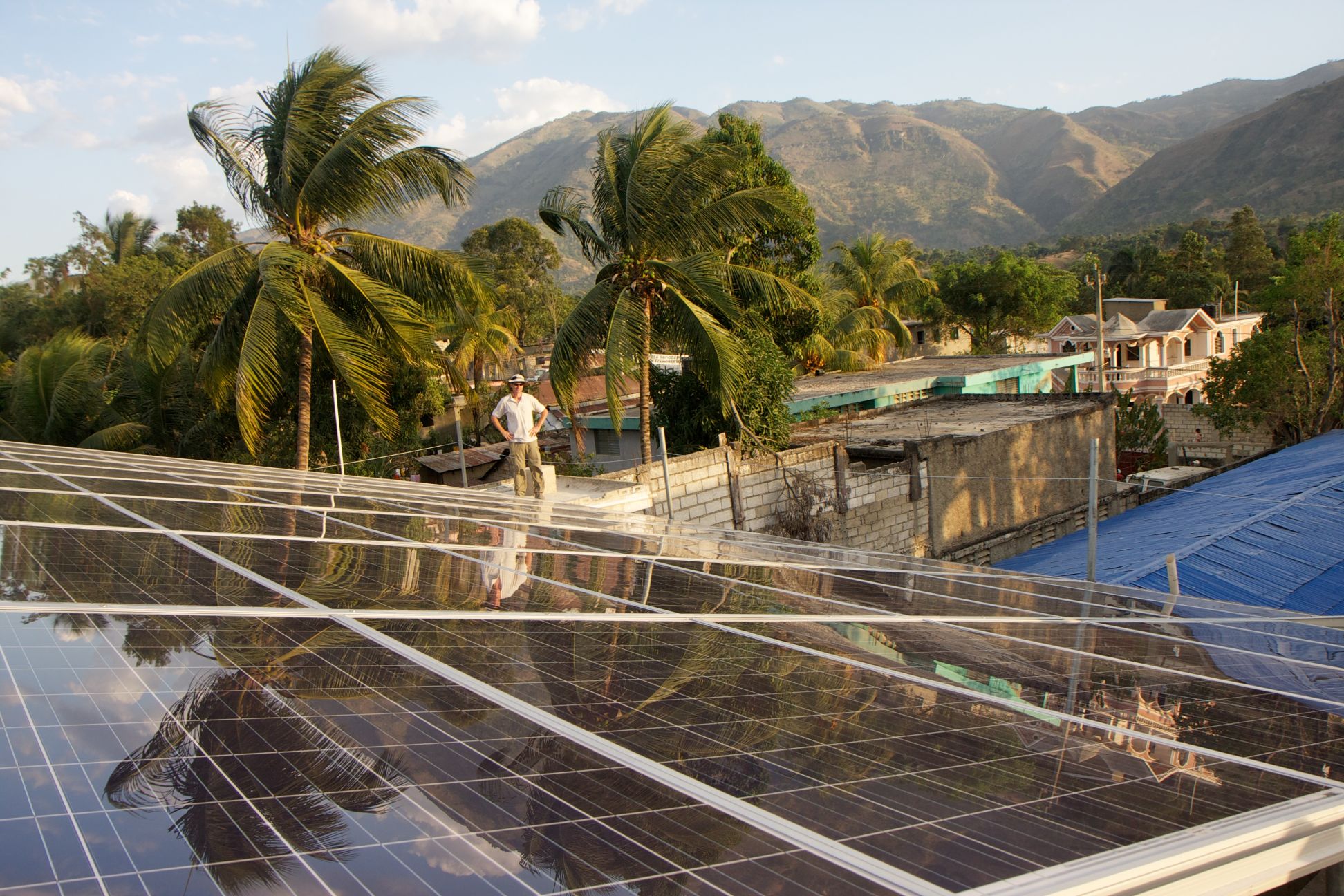
Last week I wrote a short article in Renewable Energy World on what we in the renewable energy community can do to help Haiti. Here’s what I said about our immediate plans: The Solar Electric Light Fund (SELF) is already using the sun to power health care in Haiti and is primed to expand its work with Partners In…
Standing with Haiti: Partners In Health & SELF
As the world mobilizes to respond to the crisis in Haiti, our partner, Partners In Health (PIH), is on the ground making arrangements to set up a field hospital. SELF is diverting 13 kW of solar panels to the temporary facility to provide electricity for critical lighting and emergency medical treatment. However, much more help is needed. PIH headquarters…
Yann Arthus-Bertrand: “The End of Oil”
In April 2009, the French environmental magazine Terra Eco published a story on the Solar Electric Light Fund, “SELF ou l’empire du soleil électrifiant.” That story grabbed the attention of Vu du Ciel, a National Geographic-like program hosted by world-renowned photographer Yann Arthus-Bertrand. You may have seen or own a copy of Arthus-Bertrand’s stunningly beautiful coffee table book Earth from Above. Or perhaps…
Time for a Smarter Approach to Environmental Thinking: Thomas Friedman vs. Bjorn Lomborg
I’ve just returned from the COP15 talks in Copenhagen. One of the events I attended was a CNN/YouTube–sponsored debate that featured the following panelists: Yvo de Boer, exec. secretary of the United Nations Framework Convention on Climate Change, NY Times Op-Ed columnist and Pulitzer-prize winning author Thomas Friedman, actor/environmentalist Daryl Hannah, and Bjorn Lomborg, director of the Copenhagen Consensus Center. Mr. Lomborg, an…
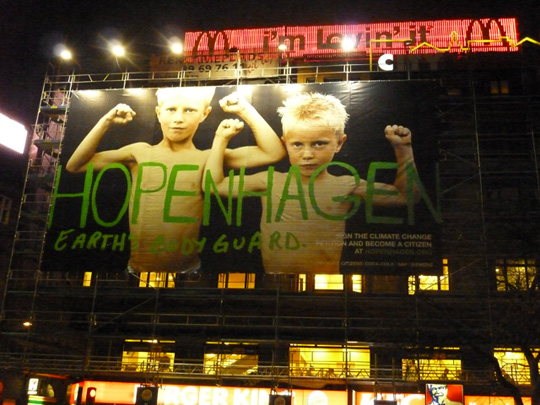
Copenhagen Update: It’s Time!
“I’m lovin’ it”?? There is still hope in Copenhagen. And a sense that our time is running out. The sincerity of the world’s young people is on full display, as Bishop Desmond Tutu observed. The question I’m raising is: Can our governments and our businesses show the same level of commitment? Earlier, Bishop Tutu had raised the question…
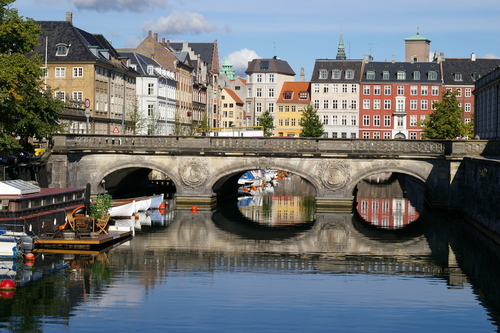
Hope for Copenhagen: Fighting Energy Poverty
One of the central issues that will be discussed at Copenhagen is the obligation of rich nations to help poor nations by committing “to far deeper emissions cuts than they already have, and to provide them with cash and technology so they can prepare for the worst and develop a clean energy infrastructure for themselves.” In spite of all the uncertainty…
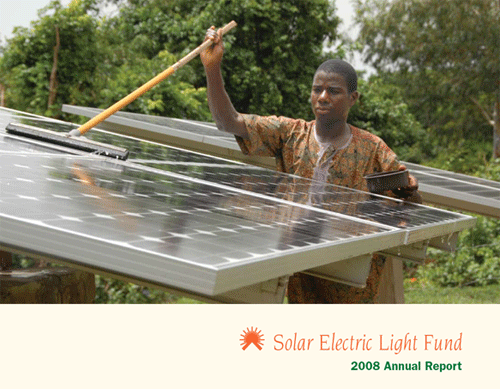
Solar Electric Light Fund: Annual Report 2008
2008 was an extraordinary year of accomplishment and transition for SELF. The projects you’ll find described in our annual report have taken our work to new levels: In Benin, West Africa, our Solar Market Gardens – solar-powered drip irrigation systems – have vastly improved villagers’ nutrition and income; Building on our collaboration with the Clinton HIV/AIDS Initiative, SELF has begun solar-electrifying clinics across Rwanda and Lesotho through…
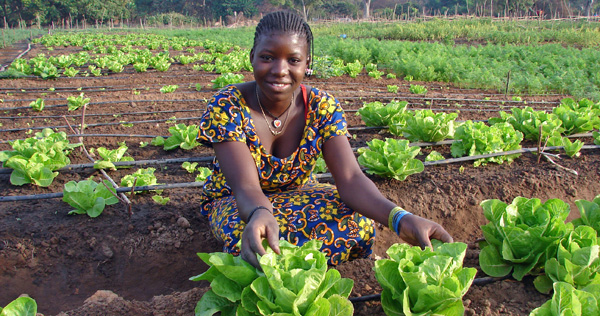
Food Security: Using Solar Power to Transform Rural Agriculture in Benin’s Kalalé District
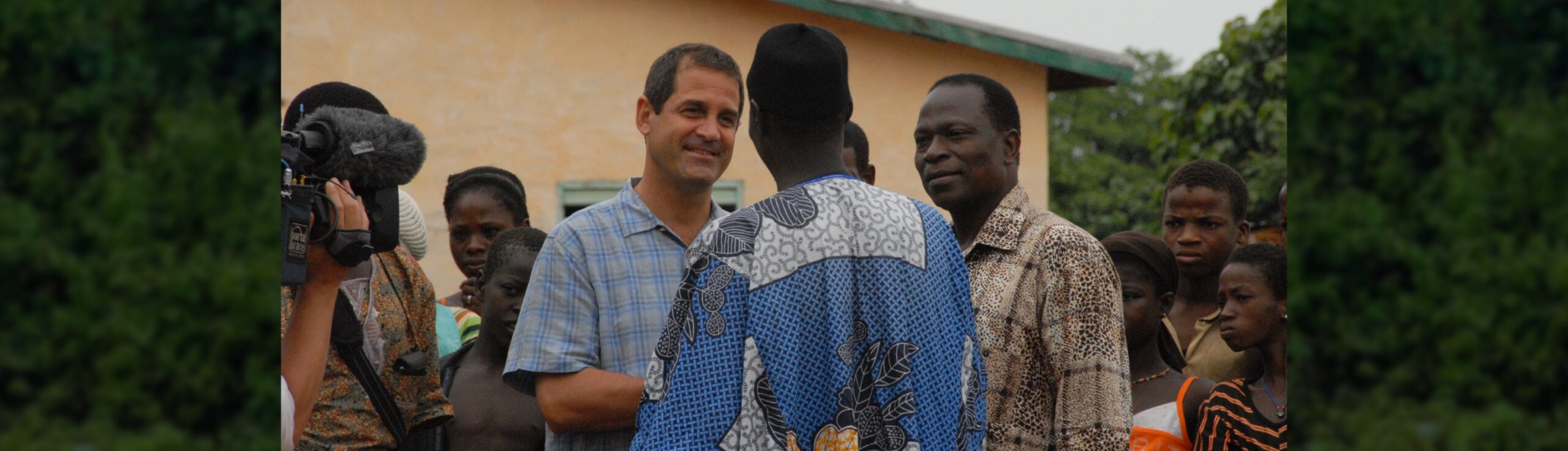
I’ve just returned from Benin, West Africa where I had a chance to see firsthand the remarkable transformation that has taken place in the villages of Dunkassa and Bessassi since the launching, less than two years ago, of SELF’s solar irrigation project in Kalalé District — a poor, dry region in the northern part of the country. Kalalé District consists of 44 villages (~100,000 people), none…
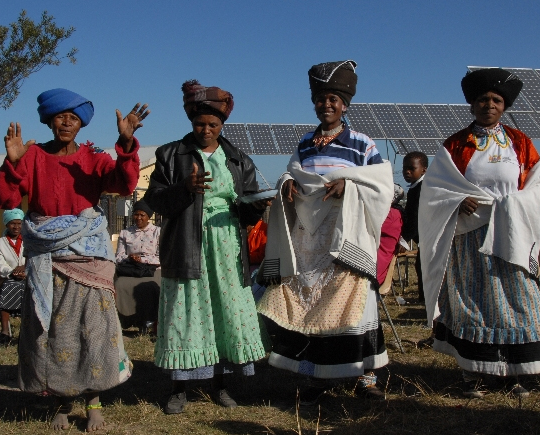
Solar School Launched in South Africa
In South Africa—fifteen years after the end of apartheid—poverty still predominates in much of the rural areas, especially in the Eastern Cape, the birth-place of Nelson Mandela. While the South African Department of Education has a mandate to provide computer literacy skills to all high school students by 2012, the fact remains that some 16,000 schools…
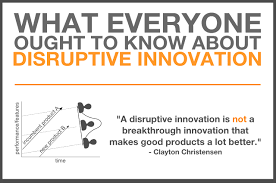
Disruptive Technologies: Where is their greatest impact?
In the March/April 2001 edition of Foreign Affairs, Harvard professor Clayton M. Christensen, along with co-authors Thomas Craig and Stuart Hart, referenced SELF as a good example of an organization using “disruptive technology” to advance economic development for the poorest of the poor. In his recent article, “The Need for New Value Networks”, published in eGov monitor,…
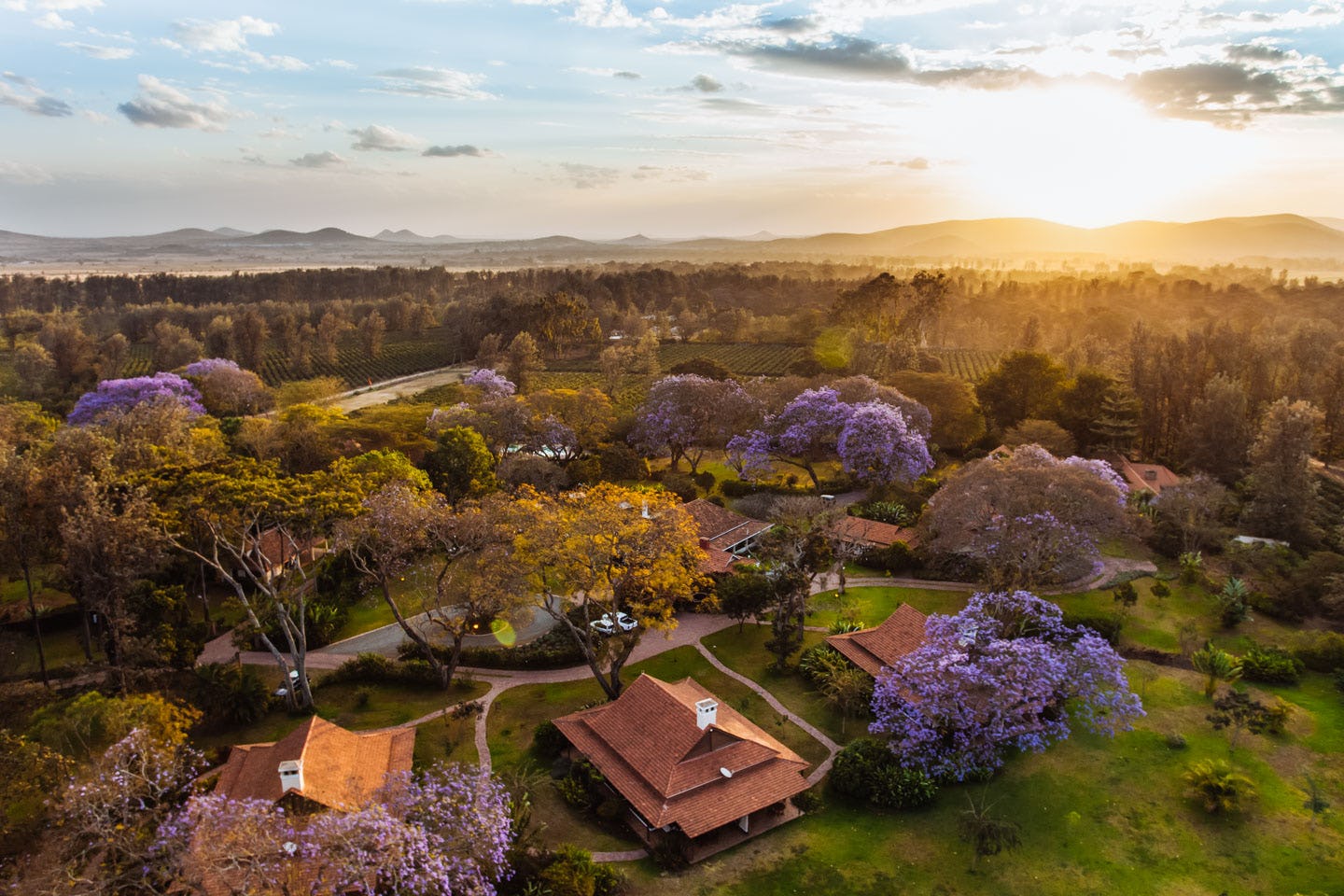
Sullivan Summit – Tanzania
In early June I traveled to Arusha, Tanzania where I spoke at the Sullivan Summit, a biannual conference that brings together political, business and civic leaders from the U.S. and Africa to focus attention and resources on Africa’s economic and social development. The gathering was hosted by the Leon H. Sullivan Foundation, a Washington, DC…
Massive Change interview revisited
When I did the Massive Change interview back in 2004, I was asked mostly about solar home lighting systems and the use of microfinance as a way of making this technology affordable to rural households in the developing world. Aside from a brief discussion of wireless communications, I didn’t really go into the multiple ways in which solar…
Solar Microcredit: It Works!
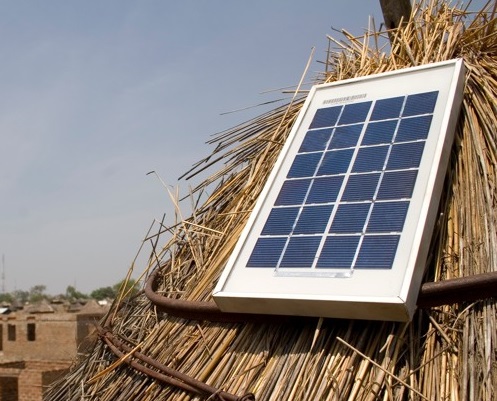
In the nineties, through a series of solar pilot projects around the world, SELF demonstrated the willingness and ability of rural families to pay for solar electricity at the household level if they are given access to credit. Even though SELF is a nonprofit organization, we did not believe that giving these systems away outright…
Video: A look back at SELF’s conservation award
On Oct. 28, 2005, SELF was honored as a recipient of Chevron’s 2005 Conservation Award. Watch this clip of Chevron´s video presentation at the award ceremony >>
The UN’s Millennium Development Goals: What’s Missing?
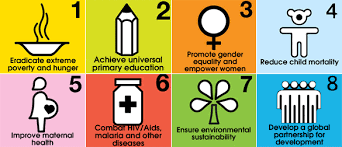
Formulated by the United Nations as a blueprint for meeting the needs of the world’s poorest citizens, the Millennium Development Goals, or “MDGs” as they’re referred to, set forth a bold and comprehensive prescription for eradicating extreme poverty, achieving universal primary education, promoting gender equality, reducing child mortality, improving maternal health, combating HIV/AIDS, and protecting the environment. Astonishingly,…
Why Blog? Because Energy is a Human Right.
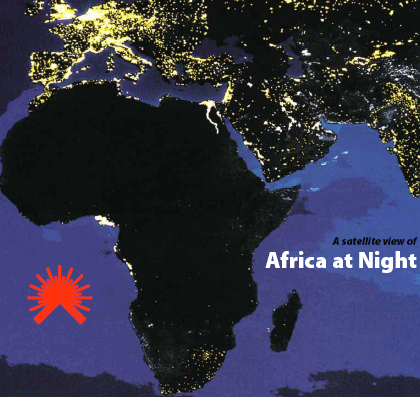
“Energy is a human right.” We use the phrase daily at the Solar Electric Light Fund (SELF), a Washington, DC – based nonprofit organization whose mission is to bring solar power to rural and remote villages in the developing world. But what does the phrase really mean? After all, people talk about human rights; they talk about…